Say you wire $50,000 to India to help your parents buy a home in Pune. The fees are only part of the story. The real cost to send money to India often hides in the exchange rate. Two providers can quote the same wire fee and still cost you $500 more. This guide breaks down how each method actually prices your transfer. Compare the numbers before you click send.
How People Send Money to India From the US
Most people sending money from the US to India pick from four options. One option is a bank wire, sent through Chase, Bank of America, or a similar bank. Another is a fintech app like Wise or Remitly. A third choice is Xoom, PayPal’s remittance service that markets heavily to Indian Americans. A fourth option, informal hawala-style networks, carries real legal risk and sits outside this comparison.
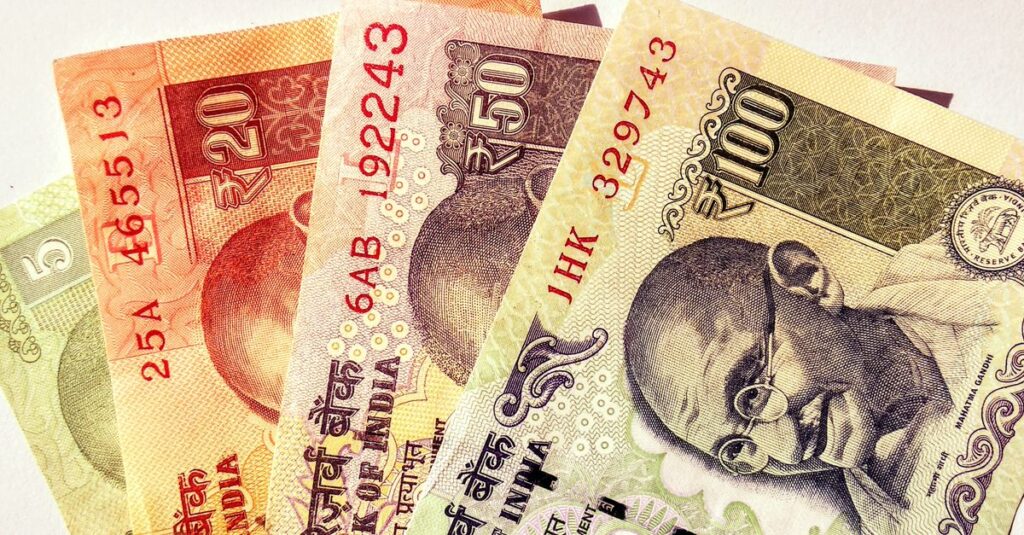
Each option prices the transfer differently. Some charge an obvious flat fee upfront. Others charge very little upfront and make money on the exchange rate instead. The advertised fee alone rarely tells the full story. To send money to India well, compare both numbers together: the fee and the rate.
Bank Wires to India: Where the Real Cost Hides
Bank wires are the option most families try first. The transfer happens right inside an app people already trust.
A typical bank wire charges a flat fee, often somewhere in the $25 to $50 range depending on the bank. That fee is easy to see, so people assume it’s the whole cost. It isn’t.
The bigger cost usually hides in the exchange rate. Banks rarely use the real, mid-market USD-to-INR rate you’d see quoted on the news. They apply their own marked-up rate instead. That markup is invisible unless you check the real rate separately before sending. On a small transfer, the markup barely matters. On a large one, like $50,000 for a home down payment, it adds up fast.
Wise, Remitly, and Xoom: Ways to Send Money to India for Less
Fintech remittance apps work differently than banks. Wise, Remitly, and Xoom typically charge a small explicit fee upfront. That fee is often clearly listed before you confirm the transfer.
The bigger difference is the exchange rate. These apps generally price much closer to the real mid-market rate than a traditional bank does. That’s the rate you’d see by searching “1 USD to INR” on Google. A neutral source like xe.com shows the same number.
Because the rate sits closer to real, the fintech option is often cheaper overall. That holds even when the sticker fee looks similar to a bank’s fee. On a small transfer, say $200 to a cousin, the difference is small. On a large transfer, it can be hundreds of dollars.
This doesn’t mean one app always wins. Rates and fees shift depending on the amount, the destination account, and even the day of the week. Always compare the live quote in the app against the real rate right before you send money to India. Don’t rely on a number you remember from last month.
The Real Cost to Send Money to India: A $50,000 Example
Here’s how small differences in the exchange rate add up. This example uses round numbers to show the mechanic, not real quotes from any company.
Say you’re wiring $50,000 to help your parents buy a home in Pune. Suppose Provider A quotes an exchange rate that’s 1% below the real mid-market rate. Provider B quotes a rate that’s 2% below the same benchmark. That 1-percentage-point gap alone works out to $500 on this transfer, before any explicit fee is even counted.
Now add the fees. Say Provider A charges $15 flat. Provider B charges $0 upfront, but its wider rate margin already cost you $500 more. Provider A comes out roughly $485 cheaper overall. That’s true even though it charged an explicit fee. Provider B advertised itself as free but wasn’t.
This is why the sticker fee is the wrong number to compare. The total cost to send money to India equals the fee, plus the rate markup times the amount sent. On a $500 transfer, a 1% rate gap costs you $5. On a $50,000 transfer, that same 1% gap costs $500. The bigger the transfer, the more the exchange rate matters, and the less the flat fee matters.
Checking the Real Rate Before You Send Money to India
Before you send money to India, check the real mid-market rate yourself. It takes under a minute and it’s the only way to know if your quote is fair.
Search “1 USD to INR” on Google, or check xe.com directly. Compare that number to the rate your provider is quoting you. A gap of half a percent or less is normal and reasonable. A gap of 2-3% or more is worth questioning, especially on a large transfer.
Also check whether the fee is truly flat or scales with the amount. Some providers cap their fee. Others increase it as your transfer size grows. Ask before you commit, not after the money has left your account.
Say the money is landing in an NRE or NRO account in India. The transfer method matters less than what happens to the funds once they arrive. FBAR reporting rules apply to those accounts too. That’s separate from anything related to the transfer itself.
The CFPB’s guide to international money transfers also covers your rights if a transfer goes wrong. That includes delayed delivery and error resolution timelines.
FAQ
What is the cheapest way to send money to India from the US?
There’s no single cheapest option for every transfer. Fintech apps like Wise, Remitly, and Xoom are usually cheaper for larger amounts. Banks can sometimes win on very small transfers, thanks to a flat fee. Always compare the total cost, fee plus rate markup, before choosing.
Is Wise or Remitly better for sending money to India?
Neither is universally better. Both typically price close to the real mid-market exchange rate. The best choice depends on the transfer amount, delivery speed, and current promotional rates. Compare live quotes from both apps right before you send, since pricing shifts often.
Why do banks seem more expensive for wiring money to India?
Banks often charge a visible flat fee for wire transfers. That fee isn’t the full cost. Banks also apply their own exchange rate, usually marked up from the real mid-market rate. That markup is where much of the extra cost hides.
How much does it cost to send $10,000 to India?
The exact cost depends on the provider and the day’s rate. As a structure, expect a small explicit fee from a fintech app, plus a small rate markup. A bank wire may show no separate markup line, but its exchange rate is usually wider. Check the live quoted rate against a neutral source before sending.
Do I need to report a wire transfer to my NRE or NRO account?
The wire transfer itself usually isn’t separately reportable. What matters is the resulting balance in your NRE or NRO account. If your combined foreign account balances cross $10,000 at any point in the year, FBAR filing applies. That’s true regardless of how the money got there.
Is Xoom safe for sending money to India?
Xoom is a PayPal-owned service and a widely used, regulated remittance option. Safety isn’t usually the concern with major named providers. The real question is cost, since fees and exchange rate margins vary by provider and by day. Compare the total cost each time, rather than assuming last month’s rate still applies.
Quick Summary
- The real cost to send money to India is the fee plus the exchange rate markup, not the sticker fee alone.
- Fintech apps like Wise, Remitly, and Xoom usually price closer to the real mid-market rate than a traditional bank wire.
- Always check the live quoted rate against a neutral source like xe.com right before you send, especially on large transfers.
This post is for informational purposes only and does not constitute financial, tax, or legal advice. Laws and regulations change frequently. Please consult a qualified professional for your specific situation.