New H-1B employees often wait months before applying for a first credit card. Some wait for a “better” offer. Others assume they’ll get denied and don’t bother trying. Every month of waiting is a month with no credit file building in the background. The fastest path to an established US credit history starts with one specific type of card, applied for in your very first month.
Most of the hesitation comes from bad advice. Generic personal finance forums are built for people who already have years of US credit behind them. Their advice about which card is “best” doesn’t apply to someone starting from zero. Following it usually means a denial that sets your timeline back even further.
Why Your First Credit Card Should Not Wait
A US credit file only starts once an account reports to the bureaus. Rent payments, phone bills, and a US salary do nothing for your score on their own. That holds no matter how reliably you pay them. Delaying your first credit card by even three months pushes back every milestone after it. That includes apartment approvals and eventually a mortgage. Apply in month one, not once you feel “settled.”
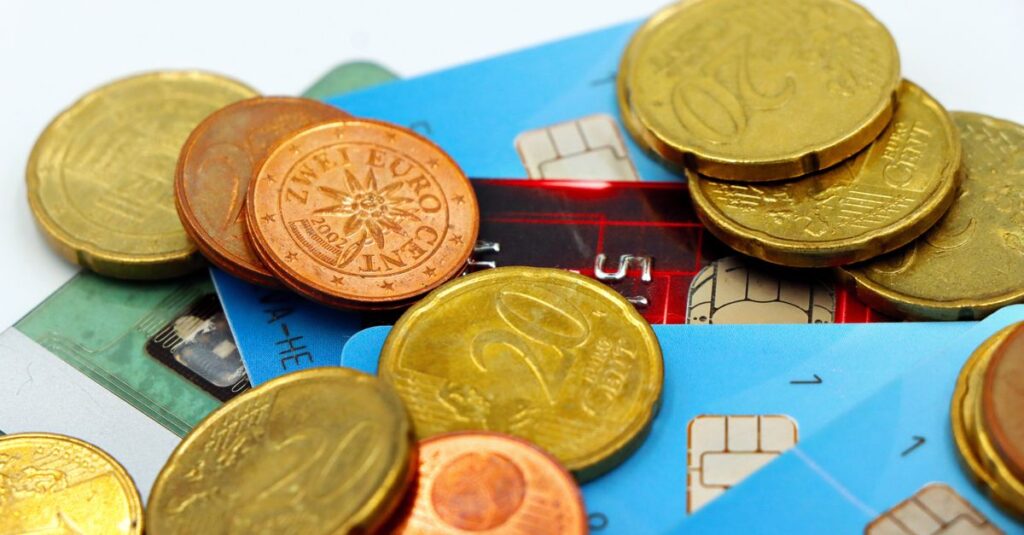
Some employers’ relocation packages even include a temporary corporate card for expenses. That can create a false sense that your credit situation is already handled. A corporate card in your employer’s name does nothing for your personal credit file. Treat it as a separate tool entirely. Still apply for a personal card as early as possible.
Which Card Actually Approves H-1B Employees With No History
Skip the big rewards cards for now. Amex offers cards to visa holders with steady income and no US credit history required. It weighs your income and bank relationship instead of a score that doesn’t exist yet. Discover it Secured is the reliable fallback if Amex declines your specific profile. Both report to all three credit bureaus, which is the only feature that actually matters for a first card.
A local credit union tied to your employer or industry is worth checking too. Some run their own no-history programs for professionals on work visas. Their underwriting looks past the missing credit score entirely. These programs rarely show up in generic “best credit cards” articles. They’re regional, and they don’t pay for the same affiliate placements the big issuers do.
What to Bring to Your First Application
Have your visa documents, an employment verification letter, and a US bank account open before you apply. Some issuers accept an ITIN in place of a Social Security number during the gap before your SSN card arrives. Most H-1B holders already have an SSN through payroll by then. A US address that matches your bank records speeds up approval and avoids manual review delays.
Apply online rather than in a branch when possible. Online applications for these specific programs are usually processed by teams trained on exactly this kind of file. A branch employee unfamiliar with visa-holder underwriting sometimes declines an application that would have been approved through the right channel.
Building Your First Credit Card Into a Real File
Set autopay for the full statement balance the day you get the card. Keep your utilization under 30% of the limit every month. Aim for under 10% if you want the strongest possible score. Check your score after 90 days through your bank’s free tool. Most H-1B employees see a usable score within four to six months, enough for a car loan or a second card application.
Avoid requesting a credit limit increase in the first few months, even if your issuer offers one. A very new account with a sudden limit jump can look unusual to a scoring model. It’s better to let the account age normally before asking for more room.
What to Do If Your First Application Gets Denied
A denial in month one isn’t the end of the road, but it does mean waiting before trying again. Applying again immediately just adds another hard inquiry to a file that already has one denial-adjacent flag on it. Wait 60 to 90 days, and use that time to open a basic checking and savings account if you haven’t already, since a stronger bank relationship genuinely improves your odds on the second attempt.
Read the denial letter carefully. Issuers are required to state the specific reason, and “insufficient credit history” points you back toward a secured card or a foreign-national program rather than another mainstream application. A denial for a different reason, like an address mismatch, is often fixable in a day or two without waiting out a full credit cycle.
How Your First Credit Card Affects Future Approvals
Lenders look at your oldest account’s age when evaluating almost any future application, from a car loan to a mortgage years down the line. That single detail is why applying in month one, rather than month four or five, has ripple effects well beyond the first credit card itself. An extra few months of account age can be the difference between approval and denial on a future loan with a borderline file.
Treat your first credit card as a long-term relationship rather than a short-term tool, even if a better rewards card eventually comes along. Keeping the original account open, even with minimal use, preserves that early history for as long as the card remains active and fee-free.
Adding a Second Card Once the First One Is Established
Once your first credit card has reported six to twelve months of on-time payments, a second card can meaningfully improve your overall credit profile rather than complicate it. A second account lowers your overall utilization ratio, since your available credit grows while your typical spending usually doesn’t grow at the same pace, and it adds a bit more resilience if one issuer ever closes your account unexpectedly.
Wait until your first card has genuinely aged before applying for a second one, rather than stacking applications too close together. Two hard inquiries within a short window can meaningfully affect a still-thin file more than the same two inquiries would affect an established one. A gap of six months or more between the first and second application gives your file time to mature and gives issuers a stronger track record to evaluate.
FAQ
Can I apply for a credit card before my SSN arrives? Some issuers accept an ITIN temporarily, though most H-1B employees already have an SSN in hand through payroll processing before their first paycheck.
Does my Indian credit history transfer to the US at all? No. US bureaus cannot see CIBIL or any Indian credit file. Your US history starts completely from zero, regardless of your credit record back home.
Is a secured card necessary if I already have a US bank account? Not always. A strong bank relationship can get you approved for an unsecured card directly. A secured card is the fallback when that doesn’t happen.
More on Your First Credit Card
Should I use my corporate relocation card instead of applying personally? No. A corporate card builds no personal credit history. Apply for a personal card in month one regardless of any temporary corporate card your employer provides.
How soon can I expect a usable credit score? Most H-1B employees see a usable score within four to six months of opening their first account, assuming on-time payments and low utilization the whole way.
Does closing my first card later hurt my score? Yes, more than closing a newer account would. It shortens your average account age and your longest credit history, both factors in your overall score calculation.
Bottom line: Apply for your first credit card in month one, choose an issuer that doesn’t require existing US history, and set autopay immediately so the file builds cleanly from day one.
For the bigger financial sequence this fits into, see the H-1B to green card financial planning timeline. The Consumer Financial Protection Bureau explains how each factor in a US credit score gets weighted, which is worth understanding once you have your first account open.
Approval odds and specific requirements for someone with no US credit file vary by issuer and change over time. Confirm what’s currently available before applying anywhere.